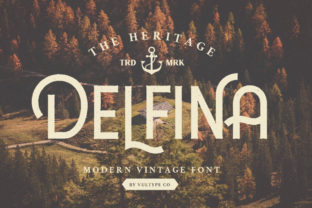
Delfina Font: Retro Sans Serif for Web Design
Using Delfina Sans Serif Fonts for High-Converting Landing Pages
Delfina, sans serif aesthetics, and conversion-focused fonts come together to create landing pages that capture attention within seconds of loading. As web designers, we understand that the first three seconds determine whether a visitor stays or bounces, and this typeface offers a unique solution for reducing bounce rates through personality-driven typography. Unlike sterile geometric sans serifs that can feel cold on digital screens, Delfina introduces a retro warmth that builds immediate emotional connection without sacrificing modern usability. When implementing this font in hero sections, the playful yet structured letterforms guide the eye naturally toward primary call-to-action buttons.
The retro style inherent in Delfina serves as a powerful visual hook for creative agencies, lifestyle brands, and digital product creators who need to differentiate themselves in saturated markets. In A/B testing scenarios, display fonts with distinct character often outperform generic system fonts because they signal intentionality and brand investment. For landing pages specifically, utilizing Delfina for headline hierarchy creates a clear distinction between promotional messaging and functional navigation. This separation is crucial for user experience (UX), ensuring that while the design feels fun and cute, the path to purchase remains unambiguous and professionally executed.
Delfina Typography for Boutique E-Commerce Store Headers
Delfina and boutique e-commerce fonts function exceptionally well when establishing trust and charm for online stores selling handmade goods, vintage items, or children’s products. Online shoppers rely heavily on visual cues to assess brand authenticity, and this sans serif typeface communicates approachability that rigid corporate fonts cannot achieve. When used for category headers and promotional banners, the font’s retro nuances evoke nostalgia, which psychological marketing studies link to increased willingness to spend. However, maintaining readability at various screen sizes is paramount for mobile commerce success.
- Mobile Responsiveness: Test Delfina at 16px minimum for subheads to ensure legibility on smartphones without zooming.
- Contrast Ratios: Pair this retro font with high-contrast background colors to meet WCAG accessibility standards for visually impaired shoppers.
- Loading Performance: Subset the font files to include only necessary characters, reducing page load time which directly impacts SEO rankings and sales.
- Visual Hierarchy: Use heavier weights of Delfina for sale announcements and lighter weights for secondary information to guide scanning behavior.
Pairing Delfina Display Fonts with Clean Body Copy
Delfina, clean sans serif pairings, and editorial fonts require strategic combination to maintain professional readability across long-form content sections. While Delfina excels as a display font for titles and short phrases, using it for extensive body copy can fatigue readers due to its decorative retro characteristics. The most effective web design strategy involves pairing this expressive typeface with a neutral, highly legible sans serif like Inter, Open Sans, or Roboto for paragraphs. This contrast establishes a rhythmic visual cadence that keeps users engaged through blog posts, course modules, and detailed product descriptions.
For UI designers working on app screens or SaaS dashboards, this pairing strategy extends to interface elements. Use Delfina for empty states, welcome messages, and feature highlights to inject personality into otherwise utilitarian spaces, while reserving standard system fonts for data tables and form inputs. This balanced approach ensures that the "cute and fun" descriptor enhances rather than hinders functionality. Furthermore, when designing dark mode interfaces, adjust the tracking (letter-spacing) of Delfina slightly wider to prevent the retro strokes from bleeding together against dark backgrounds, preserving crispness on OLED displays.
Implementing Delfina Retro Style in Digital Brand Identity Kits
Delfina, digital brand identity fonts, and consistent visual systems are essential for creators building cohesive online presences across multiple platforms. A brand kit is more than just a logo; it is a comprehensive language of visual communication, and this sans serif typeface provides a versatile foundation for social media graphics, email newsletters, and website assets simultaneously. The retro style translates seamlessly to Instagram stories and Pinterest pins, where nostalgic aesthetics currently drive high engagement rates. By standardizing Delfina as the primary display font in your brand guidelines, you ensure that every touchpoint reinforces recognition and loyalty.
When creating templates for clients or personal projects, define specific use cases for each weight and style included in the Delfina family. Establish rules for capitalization, as retro sans serifs often look best in all-caps for short labels but prefer sentence case for longer headlines. Documenting these typographic standards prevents design drift over time and maintains the integrity of the brand voice. Additionally, consider how the font interacts with photography and illustration; Delfina’s playful geometry complements organic shapes and warm color palettes, making it ideal for wellness coaches, artisanal food brands, and creative educators developing signature visual identities.
Optimizing Delfina Web Fonts for Readability and Accessibility
Delfina, accessible web fonts, and inclusive design practices must align to ensure your retro-styled projects remain usable for all audiences. Decorative fonts often face scrutiny regarding accessibility, but careful implementation allows Delfina to meet modern web standards without losing its charm. Always verify that the chosen weight provides sufficient stroke width against the background color, avoiding thin variants that may disappear on low-resolution screens or in bright sunlight. Utilize CSS properties like font-smoothing and text-rendering to optimize how the browser rasterizes the vector outlines, ensuring smooth edges that enhance legibility.
- Scale Testing: View designs at 200% zoom to confirm that Delfina headlines do not overlap or break layout containers.
- Line Height Adjustment: Increase line-height to 1.4 or 1.5 for any text larger than 24px to accommodate the font’s unique vertical metrics.
- Fallback Stacks: Define robust CSS font stacks with similar retro sans serifs to prevent jarring layout shifts if web fonts fail to load.
- Motion Sensitivity: Avoid animating Delfina text excessively, as moving decorative letterforms can trigger vestibular disorders in sensitive users.
Licensing Delfina Commercial Fonts for Client Web Projects
Delfina, commercial font licensing, and legal compliance are critical considerations for professional web designers delivering client work. Understanding the distinction between desktop, webfont, and app licenses protects both you and your client from potential legal issues down the road. When specifying Delfina for a project, verify that the license covers the expected monthly page views for web embedding, as many foundries tier their pricing based on traffic volume. For digital products like downloadable templates or editable Canva designs, ensure the license explicitly permits redistribution or end-user embedding, which typically requires a separate extended license.
Transparency about typography costs builds trust with clients and positions you as a thorough professional. Include font licensing fees as a distinct line item in proposals rather than absorbing them into general design costs. This clarity helps clients understand the value of premium typography assets like Delfina compared to free alternatives. Furthermore, maintaining organized records of license certificates and purchase receipts streamlines future audits or site transfers. By treating font selection as a strategic business decision rather than merely an aesthetic choice, you elevate the perceived value of your design services and ensure sustainable, legally sound digital experiences.